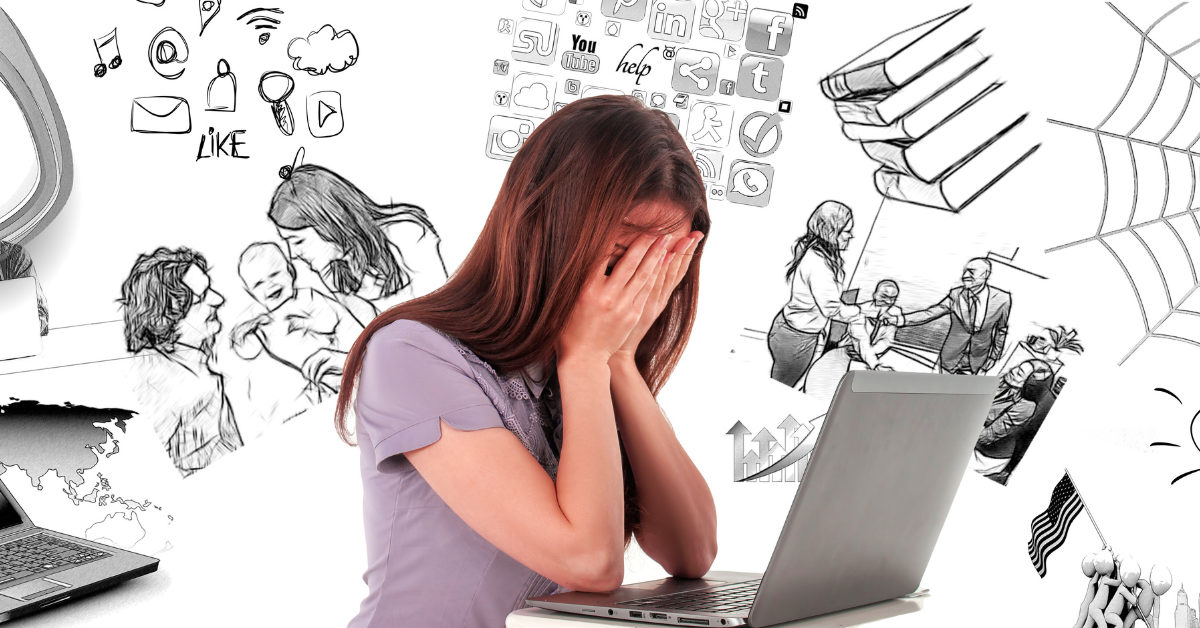
You finally log off from work, close your laptop, and tell yourself, “I need a break.” But instead of actually resting, you pick up your phone “just to scroll for a few minutes.” Before you know it, 45 minutes have passed… and somehow, you feel even more mentally drained.
This is exactly how social media burnout starts, the exhaustion you feel not from work, but from the constant online engagement that follows you after work hours. What we consider a “quick break” is silently turning into a new kind of stress for busy professionals.
“According to the American Psychological Association, over 50% of adults feel mentally exhausted after using social media, even when they’re scrolling to relax. So it’s no surprise that this digital fatigue is becoming the new workplace stress for many of us today”.
Contents
ToggleWhat Exactly Is “Social Media Burnout”?
So what is social media burnout really?
In simple words, it’s a state of emotional and mental exhaustion caused by constant online engagement, comparison, and the pressure to stay active or “visible” on social media. It’s not just “being tired”, it’s a deeper kind of social burnout that slowly drains your mood, energy, motivation, and even your confidence.
Unlike regular tiredness, this exhaustion doesn’t disappear after a nap or a weekend off. It lingers because your mind never fully switches off, it’s still replaying what you saw online, who achieved what, and whether you should be doing more.
“Research shows that 32% of social media users experience social media fatigue, which is often the first warning sign that emotional burnout is on the way”.
If you’ve ever opened LinkedIn “just to get inspired” and ended up closing the app feeling behind in your career or not “successful enough,” it’s not in your head. That’s digital fatigue taking over, fueled by comparison and the pressure to keep up.
Why Social Media Burnout Is Becoming the New Workplace Stress?
Have you noticed how work doesn’t really “end” when the workday ends anymore?
Even after logging off, many of us are still mentally switched on, checking notifications, scrolling through LinkedIn, or catching up on WhatsApp work chats. It’s like our minds never get a real break.
A few years ago, workplace stress came from things like tight deadlines, long commutes, or back-to-back meetings. Once you got home, you could disconnect and breathe.
But now, there’s a new type of pressure that follows professionals home, the pressure to stay visible, informed, and “relevant” online.
For example: Sara, a marketing manager. She opens LinkedIn in the evening “just to see what’s new.” Within minutes, she’s comparing her career to others and questioning her own progress. Instead of feeling inspired, she ends up feeling tense and drained, a clear sign of burnout social media creeping into her personal time.
No wonder social media causes anxiety for so many professionals today. The line between work and personal life has blurred, and social media is quietly extending the workday into evenings and weekends.
If any of this feels familiar, the next section will help you recognize the early signs before the burnout goes deeper.
Subtle Signs You Might Be Struggling with Social Media Burnout
Social media burnout rarely hits overnight, it usually builds slowly, almost silently. It starts with small shifts in how you feel before, during, or after scrolling. If these sound familiar, your mind may already be experiencing social media fatigue:
- You feel mentally tired or emotionally heavy after scrolling, instead of relaxed
- You catch yourself comparing your progress, lifestyle, or achievements with others online
- You feel guilty for not posting, responding quickly, or staying “active enough”
- Your mood changes based on what you see online, a single post can lift or drain your energy
- You lose motivation or creativity after using social media, even when you opened it for “inspiration”
Nearly 44% of people say they feel emotionally drained after just one hour of scrolling , which shows how quickly our “break time” can turn into mental exhaustion.
If you read these and thought, “Wait… that sounds like me,” you’re definitely not the only one. Many professionals don’t realize they’re burning out from social media until it starts affecting their mood, energy, and confidence. What matters is that you’re noticing it now — because awareness is the first step toward change.
The Science Behind It: Why Your Brain Feels Drained
Your mind might be resting physically when you scroll, but mentally, it’s still “switched on.” Social media keeps your brain busy in ways you don’t always notice and that hidden mental work is a big reason behind the exhaustion you feel later.
Here’s what’s happening in the background:
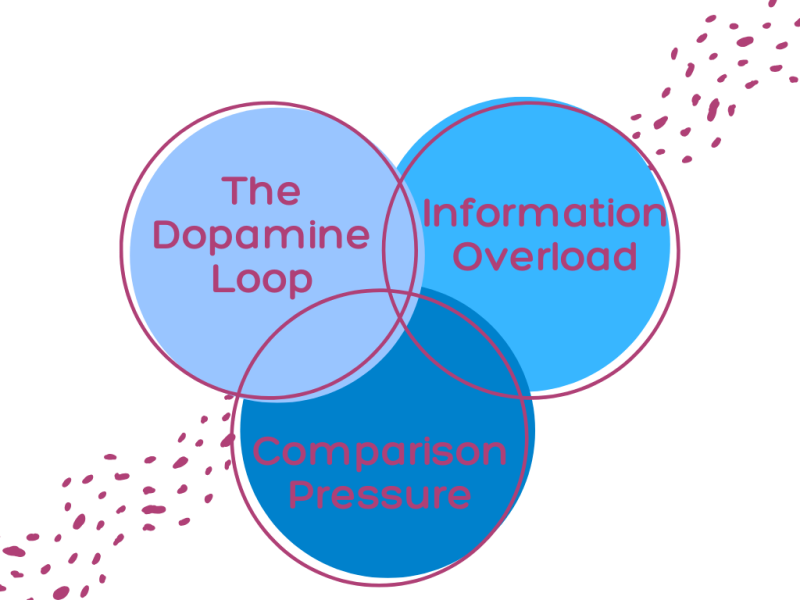
The Dopamine Loop
Social platforms are built to make you keep checking back. With every like, comment, or notification, your brain gets a tiny hit of dopamine, creating a small but satisfying reward signal. Over time, your mind starts craving these little boosts, and when they stop or slow down, you’re left feeling low, unmotivated, or mentally tired.
Information Overload
In just a few minutes online, your brain processes a huge amount of content like; posts, reels, headlines, messages, opinions, ads. Even if you’re sitting still, your mind is juggling multiple micro-tasks at once. That constant processing quietly drains your mental clarity and leaves you feeling drained without understanding why.
Comparison Pressure
When you’re constantly seeing other people’s achievements, milestones, travel, success, or “perfect moments,” your brain starts to compare your life with theirs, even if you don’t want to. Over time, this silent comparison creates emotional pressure and can affect how you feel about yourself.
Studies show that excessive social media use is strongly linked to anxiety, emotional exhaustion, and sleep disturbances, especially among young professionals.
Understanding this isn’t about blaming yourself, your brain simply isn’t designed for constant digital stimulation. And once you know what’s draining your energy, it becomes easier to protect your digital health & wellness and create a healthier online balance.
6. How to Recover: Practical Ways to Protect Your Mind (Without Quitting Social Media
You don’t have to disappear from social media to feel better. A few small shifts in how you use it can lighten your mind, reduce stress, and make scrolling feel enjoyable again, not draining.
Here are five simple habits you can start with:
1. Set “No-Scroll” Hours
Try staying off social media during the first 30 minutes after waking up and the last 30 minutes before bed. These small boundaries help your brain start and end the day with calm.
2. Turn Off the “Unnecessary” Notifications
Most notifications are designed to pull you back into apps. Turn off alerts for likes, follows, and random updates. When your phone stops buzzing, you stop checking and your mind feels less “on duty” all day.
3. Swap One Scroll with One Calming Ritual
Pick one moment when you usually scroll and replace it with something that relaxes you like making tea, stretching, journaling, a short walk, or meditation to help your mind recover from mental exhaustion
4. Try Mini Digital Detox Breaks
Instead of a full detox, start small. Go offline for a few hours after work or choose one evening a week without screens. Research shows that even short digital breaks can lift your mood and reduce stress, especially for working adults.
5. Separate Work Online from Personal Online
When work and personal life live on the same apps, your mind never fully switches off. Keep work platforms separate from personal ones and avoid checking work-related apps during your personal scroll time. It helps your brain feel “off work” for real.
I actually tried one of these shifts myself; I replaced my evening scrolling with a simple 10-minute walk. Within just a week, I felt lighter, slept better, and stopped ending my day with a heavy mind. That tiny change made a noticeable difference and I didn’t have to quit social media at all.
When It’s Time to Seek Support
If you’ve tried making small changes but still feel mentally drained, it may be a sign that your mind needs a little extra support and there’s nothing wrong with that.
You may want to reach out for help if social media burnout starts to affect:
- Your sleep: You can’t switch off at night or wake up tired and tense.
- Your motivation: Everyday tasks feel heavy, and things you once enjoyed don’t excite you anymore.
- Your relationships or work: You feel more irritable, disconnected, or mentally unavailable around others.
If these signs show up, talking to a therapist, counselor, or a digital wellness coach can make a big difference. They can help you create healthier boundaries and build a better relationship with social media without quitting it altogether.
You don’t have to struggle alone. Sometimes, a little guidance is all it takes to feel like yourself again.
Conclusion
If you’ve been feeling the weight of social media burnout, take this as your gentle reminder to pause and reset. You don’t need to leave social media to feel better — just create a healthier, more mindful relationship with it.
Because at the end of the day, your worth isn’t defined by how “active” or “visible” you are online. It shows in your peace, your joy, and the life you experience offline.
Your peace comes first, always. What’s one small change from this article you want to try this week? Share it in the comments — your step might inspire someone else to take theirs too.
Frequently Asked Questions (FAQs)
1. What is social media burnout?
Social media burnout is a type of mental and emotional exhaustion caused by constant online engagement. It goes beyond normal tiredness — slowly draining your energy, mood, motivation, and confidence because your mind never fully switches off.
2. What does social burnout feel like?
You might feel mentally tired or emotionally heavy after scrolling, lose motivation or creativity, or notice your mood shifting based on what you see online. Even small posts or notifications can lift or drain your energy, and you may feel guilty for not staying “active enough.”
3. How does social media contribute to burnout?
Social media contributes to burnout through specific mental and emotional patterns:
- Dopamine loops: Your brain craves likes and notifications, leaving you restless when they slow down.
- Information overload: Endless posts, ads, and messages overload your brain, quietly draining your energy.
- Comparison pressure: Constantly comparing yourself to others can affect your confidence and mood.